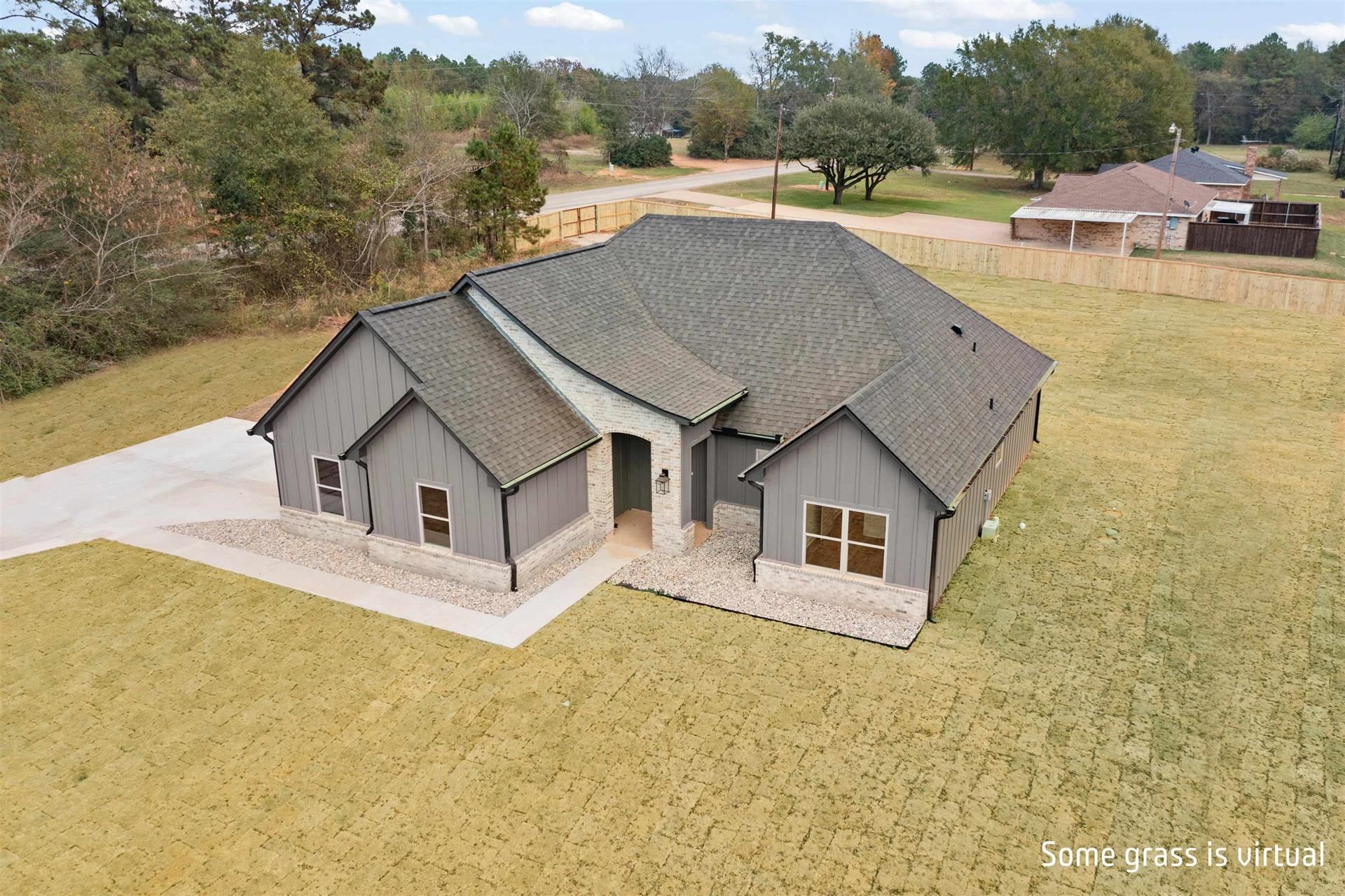
Custom Home vs Production Home in Longview TX: 7 Powerful Differences
Custom home vs production home in Longview TX is a common comparison families make when deciding how they want to build their next home. Both options can provide a beautiful place to live, but they follow very different building approaches. Understanding the differences helps homeowners choose a path that matches their priorities, lifestyle, budget planning, and long-term vision for the property.

Some buyers prefer the speed and predictability of production homes built in large subdivisions. Others want the flexibility and personalization that comes from working with an experienced East Texas custom home builder. Each option offers advantages, but the right decision depends on how much control you want over design, materials, layout, location, and future resale value.
Before making a final decision, many families explore recent custom home projects to see how personalized homes differ from standardized neighborhood builds. Looking at real examples often makes the differences much clearer than simply comparing floor plan brochures.
Understanding custom homes
A custom home is designed specifically for the homeowner. Instead of selecting from a limited number of preset layouts, the homeowner works closely with a builder to shape the home according to lifestyle needs, design taste, and long-term plans for the property. Custom homes are often built on individually owned land rather than within large development communities.
Families who choose this path usually want more flexibility in layout, architectural style, room sizes, outdoor spaces, and interior finishes. They may want larger kitchens, dedicated offices, multi-purpose rooms, larger garages, or unique design elements that reflect personal preferences.
Custom building also allows homeowners to choose where they want to live. In the Longview area, many families prefer building on private land, acreage, or established properties where they have more space and privacy than typical subdivision lots provide.
This level of personalization requires thoughtful planning, but it also allows homeowners to create a home that truly fits the way they live.
Understanding production homes
Production homes are typically built by large builders within planned subdivisions. Instead of starting with a blank design, buyers select from a limited group of pre-designed floor plans and choose certain finishes from a builder's design packages.
Because the builder constructs many homes at once, the building process can move quickly and efficiently. Materials are ordered in bulk, crews follow a standardized schedule, and layouts are repeated across the neighborhood. For buyers who want a predictable timeline and limited design decisions, this approach can be attractive.
However, production homes often offer fewer customization options. Structural changes may be limited, and homeowners may not be able to adjust the overall layout significantly. While design packages allow some personalization, the final home usually resembles many other homes in the same development.
Key differences between both options
The biggest differences between custom homes and production homes revolve around flexibility, design freedom, land choice, and the building experience itself. Some buyers prioritize convenience and a faster timeline. Others want a home designed entirely around their family and property.
Custom home vs production home in Longview TX is often a decision about control versus simplicity. Production homes provide an organized and predictable building process, while custom homes allow the homeowner to influence nearly every aspect of the final design.
Neither approach is universally better. The right choice depends on lifestyle priorities, long-term plans for the property, and how important personalization is to the homeowner.
Design flexibility and personalization
Design flexibility is usually the most noticeable difference between the two options. Production homes offer a fixed selection of layouts. Buyers can often choose from several elevations and interior packages, but the overall structure of the home usually remains unchanged.
Custom homes, on the other hand, allow homeowners to shape the design from the beginning. Room sizes, window placement, ceiling details, outdoor living spaces, storage solutions, and interior features can all be planned to match the family's needs.
This flexibility often appeals to homeowners who want their home to reflect how they actually live rather than adapting their lifestyle to a pre-designed floor plan.
Location and land selection
Production homes are typically built in neighborhoods where the developer has already planned the lots and infrastructure. Buyers choose from available lots within that community. While this can provide convenience and community amenities, it may limit privacy and lot size.
Custom homes provide far more freedom when it comes to location. Homeowners may build on acreage, rural land, or private lots closer to nature. In East Texas, many families enjoy the opportunity to build outside dense subdivisions where they have more space, flexibility, and long-term property value.
This freedom to choose land often plays a major role when families consider their long-term plans.
Materials and construction quality
Production builders focus on efficiency and volume. Materials and finishes are selected to maintain consistent pricing across multiple homes in the neighborhood. This approach helps control costs but may limit upgrade options.
Custom homes allow homeowners to select materials that match their taste and durability expectations. Cabinets, flooring, countertops, lighting, trim, exterior materials, and architectural features can be chosen based on style and long-term value rather than preset packages.
Custom home vs production home in Longview TX often comes down to how important these details are to the homeowner. Families who value unique design elements, higher-end finishes, or specialty features usually prefer the flexibility of custom construction.
Cost considerations and budgeting
Production homes can sometimes appear less expensive at first because the builder uses standardized designs and large-scale material purchasing. However, pricing can increase quickly when upgrades are added through the builder's option packages.
Custom homes provide more control over where money is spent. Instead of choosing from preset packages, homeowners can prioritize the features that matter most to them. Some may invest more in kitchens and outdoor spaces, while others focus on larger bedrooms, office areas, or storage.
Budgeting for custom construction is more personalized, which allows homeowners to balance cost and value according to their goals.
7 powerful differences homeowners should know
1. Design control
Custom homes allow nearly complete control over layout, style, and features. Production homes limit structural changes.
2. Location flexibility
Custom homes can be built on private land or unique properties, while production homes are limited to developer communities.
3. Architectural uniqueness
Production homes often repeat similar layouts across the neighborhood. Custom homes are designed individually.
4. Material choices
Custom builds offer wider material selection options, allowing homeowners to choose finishes that match their preferences.
5. Lifestyle planning
Custom homes can include specialized spaces like home offices, hobby rooms, workshops, or extended outdoor living areas.
6. Long-term property value
Homes built on larger or unique properties often maintain strong value due to location flexibility and design uniqueness.
7. Building experience
Custom home projects involve more collaboration between builder and homeowner, while production homes follow a faster standardized schedule.
Why many families prefer custom homes
Many homeowners in East Texas prefer custom homes because they want something that feels personal rather than standardized. They may want more privacy, larger outdoor areas, unique architecture, or a layout designed around their family's routines.
Custom home vs production home in Longview TX often becomes a lifestyle decision rather than simply a construction choice. Families who enjoy creative control, thoughtful design, and a home tailored to their property often find the custom building process more rewarding.
If you are considering building in the area, it can be helpful to explore the builder's custom home building services and review additional business profiles such as Google Maps, Facebook, and Yelp to learn more about the company and its work.
Learning from real projects and professional guidance often helps families make a more confident decision about the type of home that best fits their future.
FAQ
Is a custom home more expensive than a production home?
Custom homes may involve higher upfront planning costs depending on design complexity and material choices. However, they allow homeowners to prioritize where money is spent, which can create better long-term value.
Do production homes build faster?
Yes. Production homes often follow standardized schedules because builders repeat similar designs. Custom homes require more planning and collaboration.
Can production homes still be customized?
Production builders usually offer design packages and upgrade options, but structural changes are often limited.
Why do some buyers prefer custom homes?
Custom homes provide design flexibility, personalized layouts, and the ability to build on private land.
Are custom homes better for long-term living?
Many homeowners believe custom homes better match their lifestyle because the layout and features are designed specifically for their needs.
What is the best first step when considering a custom home?
Start by discussing your goals, property location, and design priorities with an experienced builder who understands the local market.
Final thoughts
Custom home vs production home in Longview TX ultimately comes down to how much flexibility and personalization you want in your future home. Production homes provide convenience and speed, while custom homes allow homeowners to shape every aspect of the design around their property and lifestyle. Understanding these differences can help families choose the path that best supports their long-term goals and living preferences.
Comments
Post a Comment